Wandering Through the Streets of Old Delhi
Old Delhi Travel Guide isn’t just about directions—it’s about stepping into a world where history still breathes. Old Delhi is more than a place; it’s an experience that blends food, markets, and heritage. There are some places that feel less like locations on a map and more like living, breathing beings. Old Delhi is one of them. The moment you step in, you don’t just see walls, streets, or markets—you see centuries compressed into a few square kilometers. Built as Shahjahanabad in the 1600s, it still carries the heartbeat of the Mughal era while pulsing with the chaos of modern life.
Every corner has a smell that reminds you of the past, every lane has a rhythm of its own, and every sound—from the bells of temples to the call of the azaan—wraps around you like a song that refuses to fade.
Old Delhi Travel Guide: Chandni Chowk
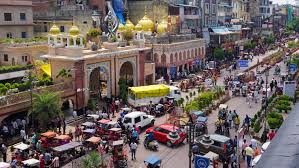
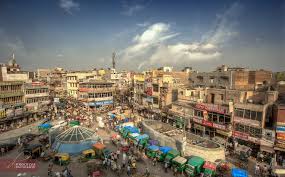
Early in the morning, when I reached Chandni Chowk, the city was already alive. Rickshaw pullers were adjusting their seats, shopkeepers were shouting prices, temple bells were ringing in rhythm with azaans from nearby mosques. It was a mess, yet strangely beautiful.
The first thing I did was walk straight to Paranthe Wali Gali. The lane is so small you might almost miss it, but the smell of ghee will guide you there. Sitting inside one of those dimly lit shops, I ordered a paneer-stuffed paratha. The man at the next table leaned over and said, “My grandfather ate here, my father ate here, and now I come here with my kids.” I smiled, realizing that this was more than food—it was memory served on a plate.
I walked out with oil-stained fingers and a happy stomach, and it hit me: Old Delhi doesn’t feed you, it nurtures you.
Khari Baoli: A Storm of spice Market
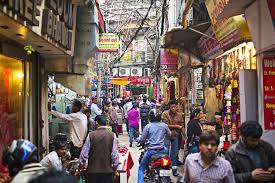
Walking here feels like time travel. This Old Delhi Travel Guide wouldn’t be complete without mentioning Khari Baoli, where the same spices you’re smelling today once flavored the royal kitchens of the Mughals.
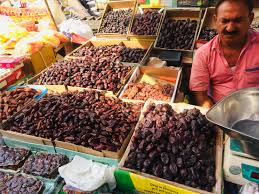
The air was so thick with turmeric, cardamom, and chili powder that I couldn’t stop sneezing. Shopkeepers laughed, offering me samples to smell, as though they had seen a hundred tourists like me react the same way. I watched workers carrying sacks bigger than themselves up narrow staircases. Some stalls had been in the same families for generations, and their voices carried pride when they spoke about trade routes that connected Old Delhi with places as far as Afghanistan, Sri Lanka, and the Middle East.
Here, history doesn’t sit inside books—it floats in the air you breathe.
Jama Masjid: A Quiet Pause in the Noise
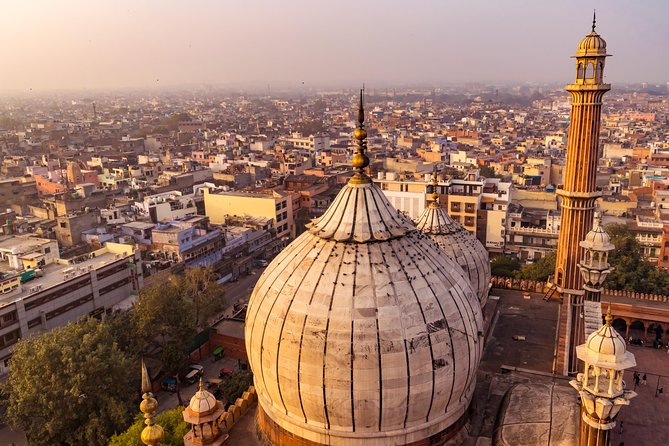
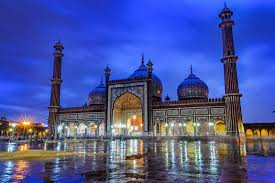
From chaos, I moved into calm. The steps of Jama Masjid, India’s largest mosque, seemed like an escape from the frenzy outside. Built in 1656, it still dominates the skyline of Old Delhi, standing like a reminder of the Mughal emperors who dreamed it into existence.
I took off my shoes and entered the marble courtyard. Children were chasing pigeons, families were sitting in quiet conversation, and a gentle hum of prayers filled the air. For a moment, the entire world seemed to slow down.
Climbing the minaret was like peeling back layers of time. From the top, I could see Old Delhi in all its contradictions—ancient havelis standing next to new shops, centuries-old domes peeking out over a sea of tin rooftops. It felt like the city was whispering, “I have lived a thousand lives, and I’m still here.”
When the Sun Sets: Old Delhi After Dark
Evening in Old Delhi is like stepping into a completely different story. Chandni Chowk, which looks dusty and rushed during the day, suddenly begins to sparkle. Fairy lights stretch across shopfronts, the sound of qawwalis drifts from hidden courtyards, and the smoky fragrance of grilled kebabs fills the air.
I couldn’t resist stopping at Karim’s, the century-old restaurant famous for Mughlai food. Sitting at a metal table, I dug into kebabs that melted in my mouth and mutton korma that tasted like history on a plate. Later, to balance the spices, I walked to Natraj for their legendary dahi bhalla—cool, creamy, and tangy enough to make me forget the heat of the day.
The streets were alive with stories—some being sung, some being sold, and some just waiting quietly in the walls.
The Lanes That Hide More Than They Show
Beyond the main markets, Old Delhi is full of lanes where life runs at its own pace.
- Dariba Kalan, the silver street, sparkles with jewelry and the subtle scent of attars (traditional perfumes).
- Kinari Bazaar is an explosion of colors, with wedding decorations and fabrics spilling out onto the street. Brides-to-be bargain here with hopeful smiles.
- Ballimaran feels quieter, but this was once home to poet Mirza Ghalib, and walking here feels like stepping into one of his couplets.
- Chawri Bazaar hums with printers and brass shops, its walls lined with stacks of wedding invitations waiting for stories to begin.
In these smaller lanes, the city shows you its softer, more personal side.
Living the Experience: Practical Notes
Spending time in Old Delhi can be overwhelming, but here are a few things that make the journey smoother:
- Visit early morning if you want calmer streets and fresher food.
- Evenings are magical but expect heavy crowds.
- Carry cash—digital payments are catching up, but not everywhere.
- Wear comfortable shoes; you’ll walk more than you expect.
- Bargain, but with respect—it’s part of the culture.
- Don’t leave without tasting Karim’s kebabs, Paranthe Wali Gali’s parathas, and Natraj’s dahi bhalla.
Why Old Delhi Stays With You
When I finally left Old Delhi that night, I carried more than just photographs. I carried the sound of temple bells blending with azaans, the taste of ghee-laden parathas, the sting of chili in Khari Baoli, and the quiet dignity of Jama Masjid.
That’s the thing about Old Delhi—it doesn’t let you visit and walk away. It lives inside you, in your senses, in your memory, and in your cravings for food you can’t recreate anywhere else.
This Old Delhi Travel Guide shows why the city is aThis Old Delhi Travel Guide is more than a list of places—it’s a reminder that food, history, and culture still breathe through every lane of the old city.
https://www.delhitourism.gov.in