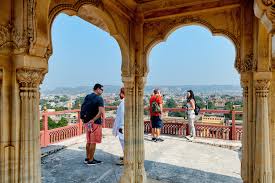
Jaipur Travel Guide: The Pink City of Palaces and Bazaars
Some cities feel like they were painted for a storybook. Jaipur, the capital of Rajasthan, is one of them. Known as the Pink City, its old walls glow rose-gold under the sun, and its palaces look like they were carved straight from poetry. Founded in 1727 by Maharaja Sawai Jai Singh II, Jaipur is India’s first planned city, built with symmetry, astronomy, and beauty in mind.
This Jaipur Travel Guide is not just about monuments—it’s about walking through a city where every street corner feels like a scene waiting to unfold.
Amber Fort: A Palace in the Hills
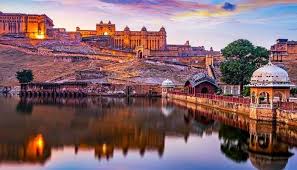
Standing high on a hill overlooking Maota Lake, Amber Fort is the crown jewel of Jaipur. As I climbed the cobbled path, I could imagine kings and queens entering through its massive gates centuries ago. The walls are decorated with intricate mirror work that sparkles even in the dimmest light.
Inside, the Sheesh Mahal (Mirror Palace) left me speechless. Thousands of mirrors reflected even the smallest flame, making the hall glow like a galaxy of stars.
👉 Tip: Visit early morning or late afternoon to avoid crowds and catch the fort glowing golden in sunlight.
City Palace & Hawa Mahal: Royal Splendor
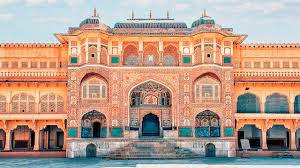
Back in the heart of the city, the City Palace still houses Jaipur’s royal family. Wandering through its courtyards, I saw towering gateways painted in rich blues, reds, and gold. The Peacock Gate, with its delicate motifs, feels like a painting you could step into.
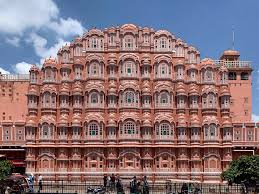
Just outside, the Hawa Mahal (Palace of Winds) rises like a honeycomb with 953 tiny windows.. Standing in front of it, with pink sandstone glowing under the sun, I felt like I was looking at Jaipur’s heartbeat frozen in stone.
Tip: Capture the best photos from the rooftop cafés across the street.
Local Bazaars: Where Jaipur Truly Breathes
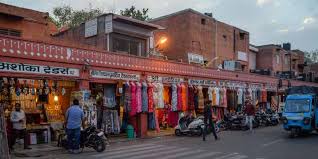
No travel guide is complete without shopping, and Jaipur’s bazaars are a carnival of colors.
Johari Bazaar – Famous for jewelry, especially traditional Kundan and Meenakari designs.
Bapu Bazaar – Overflowing with block-printed fabrics, mojaris (leather shoes), and souvenirs.
Tripolia Bazaar – Known for lac bangles, glittering in every shade imaginable.
Walking through these lanes, bargaining politely, and sipping kulhad chai (tea in clay cups) makes you realize that Jaipur isn’t just royal—it’s warm, messy, and alive.
Food in Jaipur: A Royal Feast
aipur doesn’t just feed you—it spoils you.
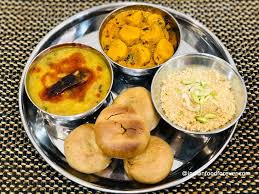
I started with Dal Baati Churma, where baked wheat balls soaked in dal and melted with ghee. At Lassiwala, I sipped a thick lassi served in a clay pot, creamy enough to replace lunch.
For dessert, I devoured Ghewar, a crunchy disc drenched in sugar syrup. Every bite tasted like a festival.
👉 Tip: Try street food at clean, busy stalls. Don’t skip pyaaz ki kachori (onion-stuffed pastry).
Hidden Gems in Jaipur
Beyond the famous monuments, Jaipur hides treasures that most tourists miss.
- Panna Meena ka Kund – A stepwell with symmetrical staircases that looks like an Escher painting.
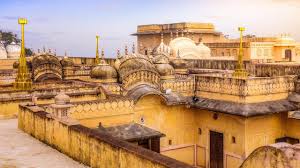
- Albert Hall Museum – A fusion of Indo-Saracenic architecture with artifacts from centuries past.
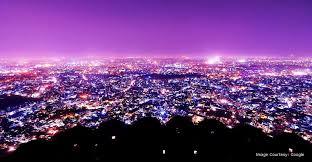
- Nahargarh Fort – Perfect for sunsets, with panoramic views of Jaipur.
These spots make you feel like you’ve stepped into a secret that Jaipur whispers only to those willing to wander off the map.
Evening in Jaipur: Lights and Stories
At Chokhi Dhani, dancers twirl in bright costumes, musicians play haunting desert tunes, and chefs serve endless platters of Rajasthani thalis. The whole place feels like a living postcard.
In the city, the Amber Fort night show told the story of Jaipur with lights dancing across the fort’s walls. The city’s pink glow at night felt different—quieter, softer, like a lullaby after a long day of stories.
Best Time to Visit Jaipur
- Winter (Oct–Feb): Best weather, perfect for exploring outdoors.
- Summer (Mar–Jun): Hot but manageable for early mornings/evenings.
- Monsoon (Jul–Sep): Fewer crowds, lush surroundings, but unpredictable rain.
Traveler Tips
- Stay: Boutique havelis (converted mansions) for an authentic feel.
- Transport: Autos and tuk-tuks are best for short rides; negotiate beforehand.
- Carry Cash: Many bazaars prefer it over cards.
- Photography: Always ask permission before clicking people.
Leaving Jaipur felt like leaving a festival behind. The city is alive with palaces that whisper history, markets that overflow with color, and food that feels like home cooked for kings.
k: https://en.wikipedia.org/wiki/Hawa_Mahal